Specsavers

Brand & Experience Design System
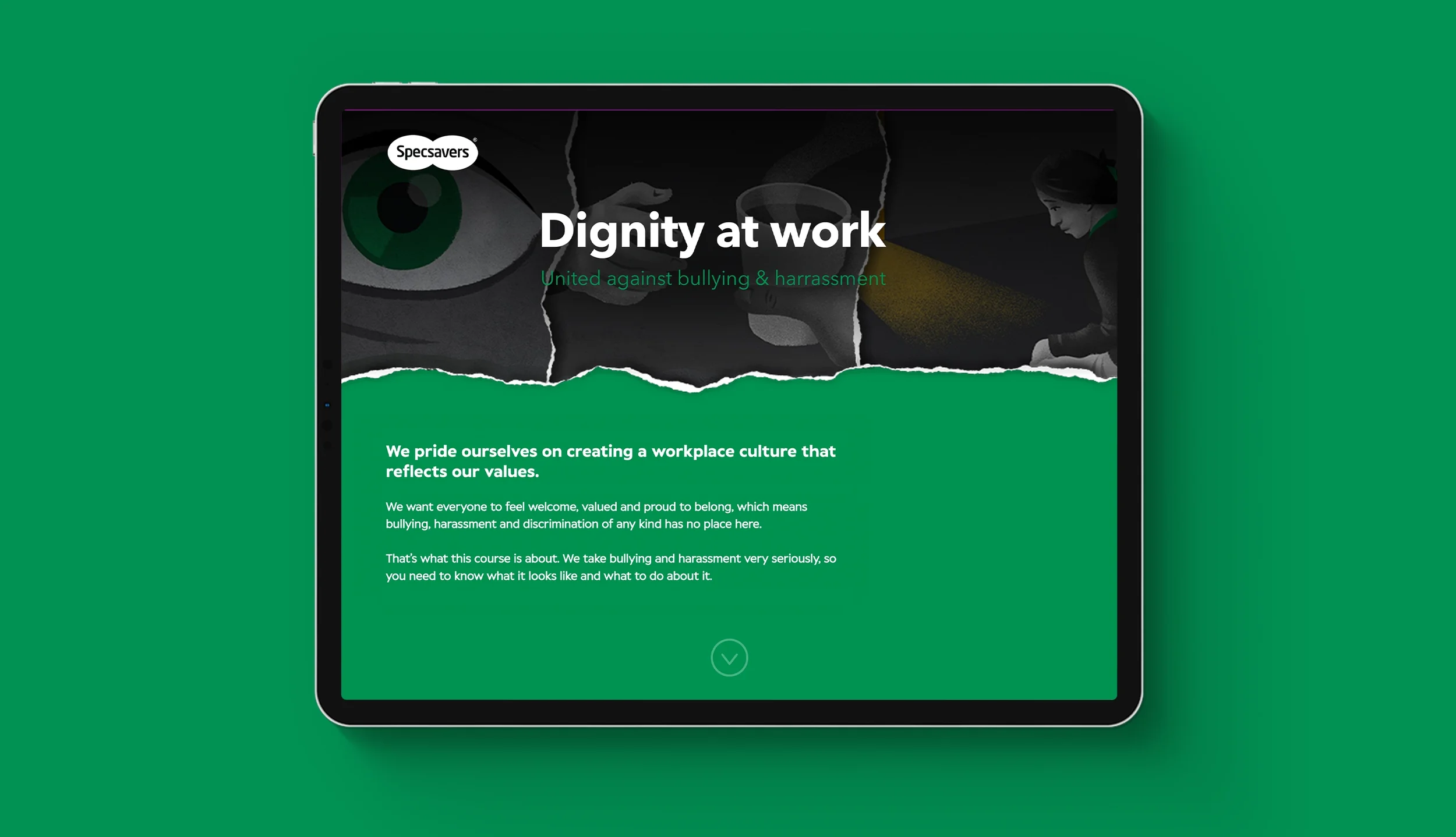
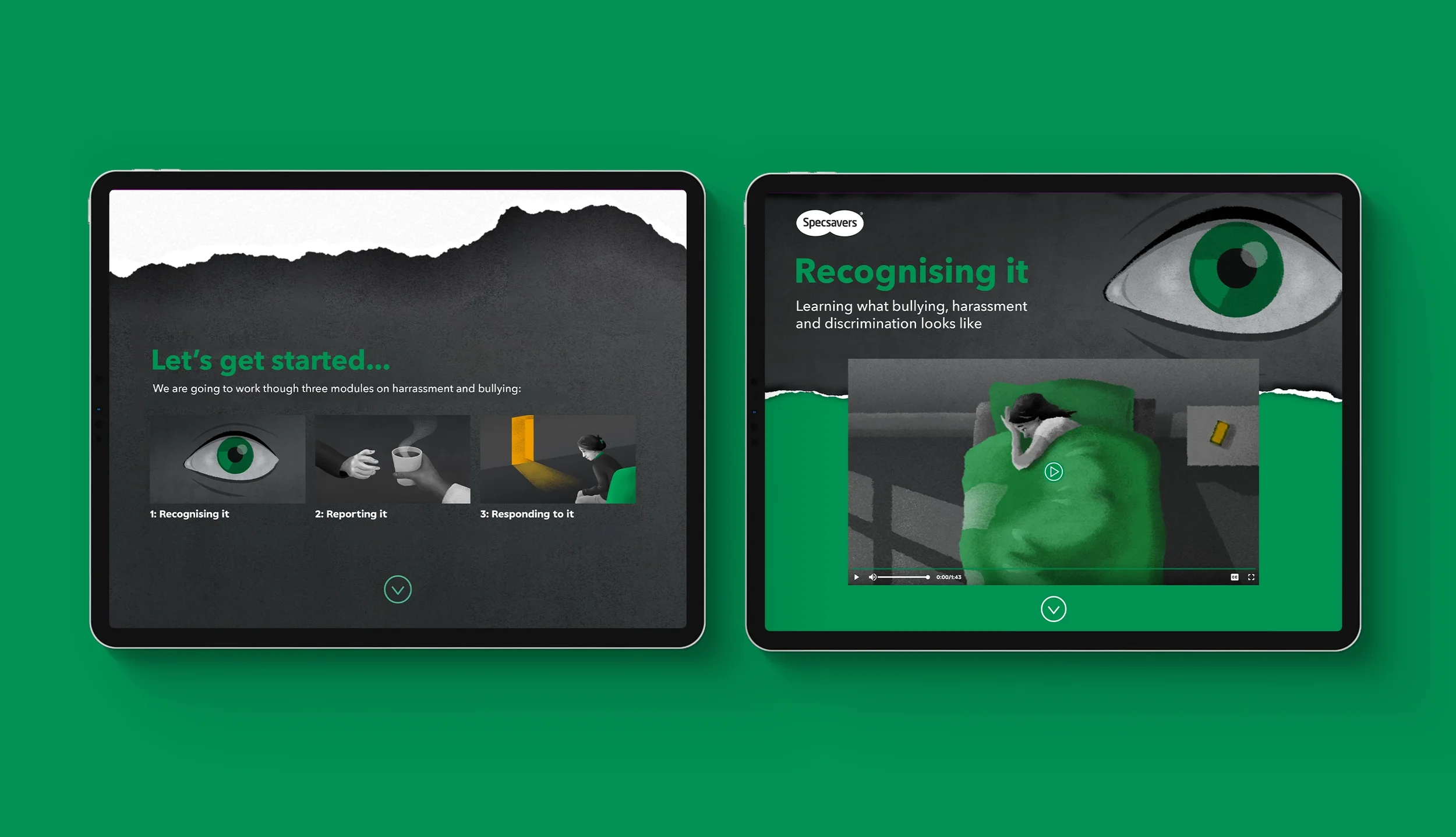
A brand and product-led digital experience for Specsavers, focused on translating a globally recognised retail and healthcare brand into a clear, scalable digital system.
Operating across multiple markets and services, Specsavers requires experiences that balance brand consistency, usability, and performance at scale. The project explored how visual identity, interaction design, and structured systems could work together to simplify complex journeys and create a cohesive experience across touchpoints.
As a global organisation with thousands of locations and services spanning optometry and audiology, consistency and clarity are critical to maintaining trust and usability across digital platforms
-
Head of Design / Creative Direction
Led design strategy and creative direction across the platform
Guided multidisciplinary teams across UX, UI, and visual design
Partnered with stakeholders to align brand, product, and delivery
Contributed hands-on to structure, prototyping, and visual system development.
-
Specsavers operates within a complex ecosystem of services, markets, and customer journeys.
Key challenges included:
Translating a strong, recognisable brand into a cohesive digital experience system
Simplifying complex user journeys such as finding stores and booking appointments
Ensuring consistency across multiple markets, services, and touchpoints
Balancing brand expression with clarity, accessibility, and performance
Existing systems can become fragmented over time, making it difficult to evolve experiences or introduce improvements quickly.
-
The work was approached as a combined brand and product system, aligning identity, structure, and interaction across the experience.
1. Structuring the Experience
Simplified complex journeys into clear, intuitive flows
Designed navigation and pathways to support key actions (e.g. find, book, explore)
Focused on clarity, hierarchy, and ease of use
2. Extending the Brand System
Applied Specsavers’ identity across digital touchpoints
Created consistent rules for typography, layout, and visual hierarchy
Ensured the brand remained recognisable while supporting usability
3. Designing for Scale and Flexibility
Developed reusable components and patterns
Created a system that could adapt across markets and services
Supported rapid iteration and continuous improvement
Modern digital systems allow organisations to iterate quickly and test improvements continuously, leading to measurable gains in performance and usability .
4. Aligning Brand and Performance
Balanced brand storytelling with functional user needs
Ensured the experience supported both engagement and conversion
Connected brand expression with measurable outcomes
Integrating brand and performance activity into a unified system can significantly improve conversion efficiency and user engagement .
-
A dedicated campaign identity was developed to sit within KPMG’s broader brand:
Visual Language: Clear, confident, and engaging—designed to encourage openness and participation
Typography & Layout: Structured for clarity while supporting expressive content
Tone & Messaging: Balanced professionalism with approachability and inclusivity
Consistency: Aligned with KPMG’s identity while creating a distinct voice for the initiative
The system ensured the campaign felt both integrated within the organisation and recognisable as a focused initiative.
-
From a product perspective, the platform was designed to:
Improve usability across complex service structures
Enable scalable content management and delivery
Support both internal workflows and external user needs
Provide a consistent experience across devices and touchpoints
Well-designed digital systems can improve both user satisfaction and operational efficiency, particularly in enterprise environments.
-
Outcomes
Delivered a cohesive brand and experience system across digital platforms
Improved clarity and usability of complex content and services
Created a scalable framework adaptable across regions and teams
Enabled consistent delivery aligned with Specsavers brand
Key Takeaways
Strong brand systems are essential for navigating complexity at scale
Clarity and structure are critical in enterprise digital experiences
Aligning brand, product, and interaction design creates more effective outcomes
Scalable systems enable consistency across large organisations