PwC
Open Mind

Developing Open Minds with an Action-Learning App
A digital product and behavioural learning platform for PwC designed to challenge unconscious bias through interactive learning, collaborative activities, and social engagement.
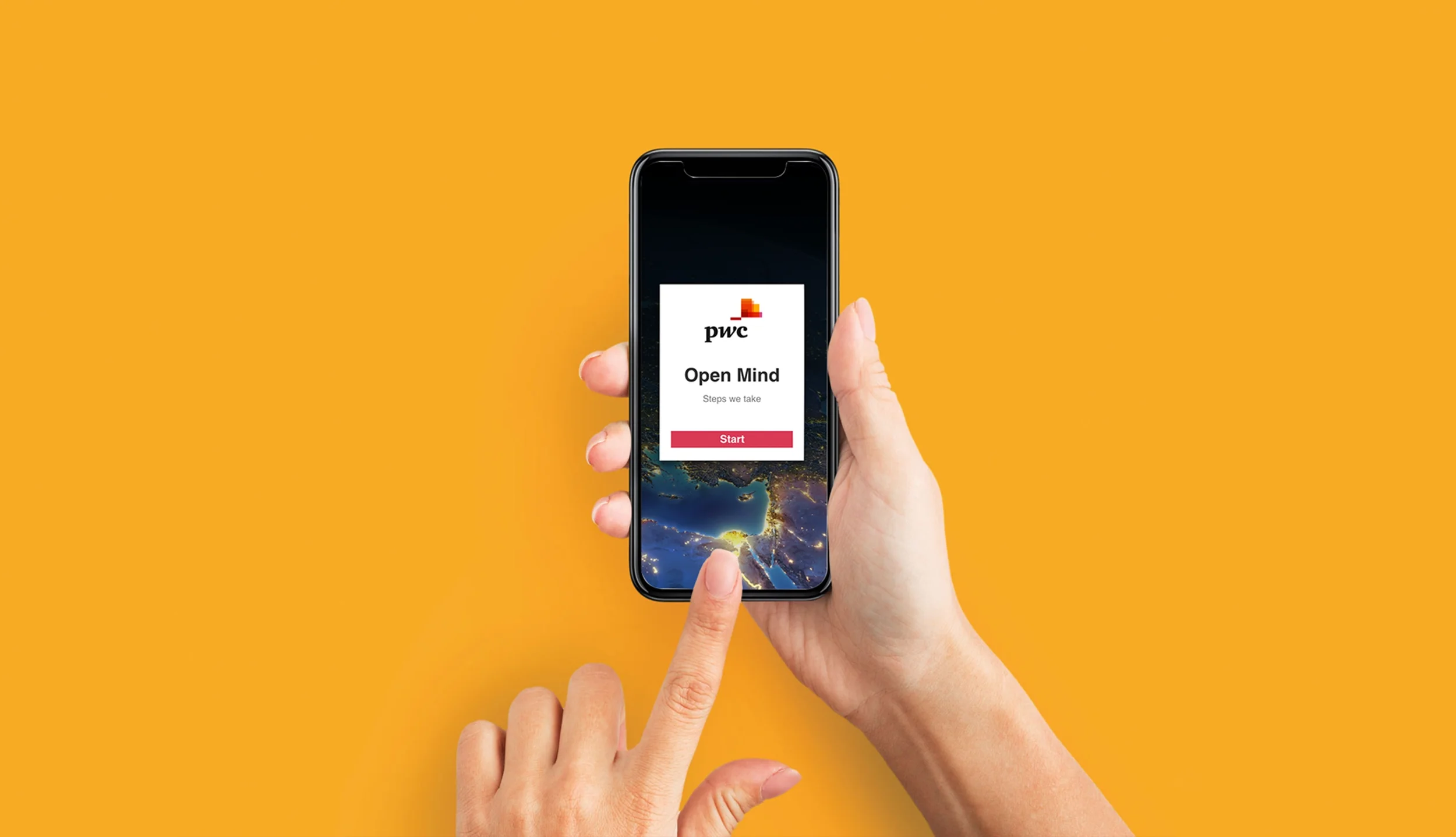
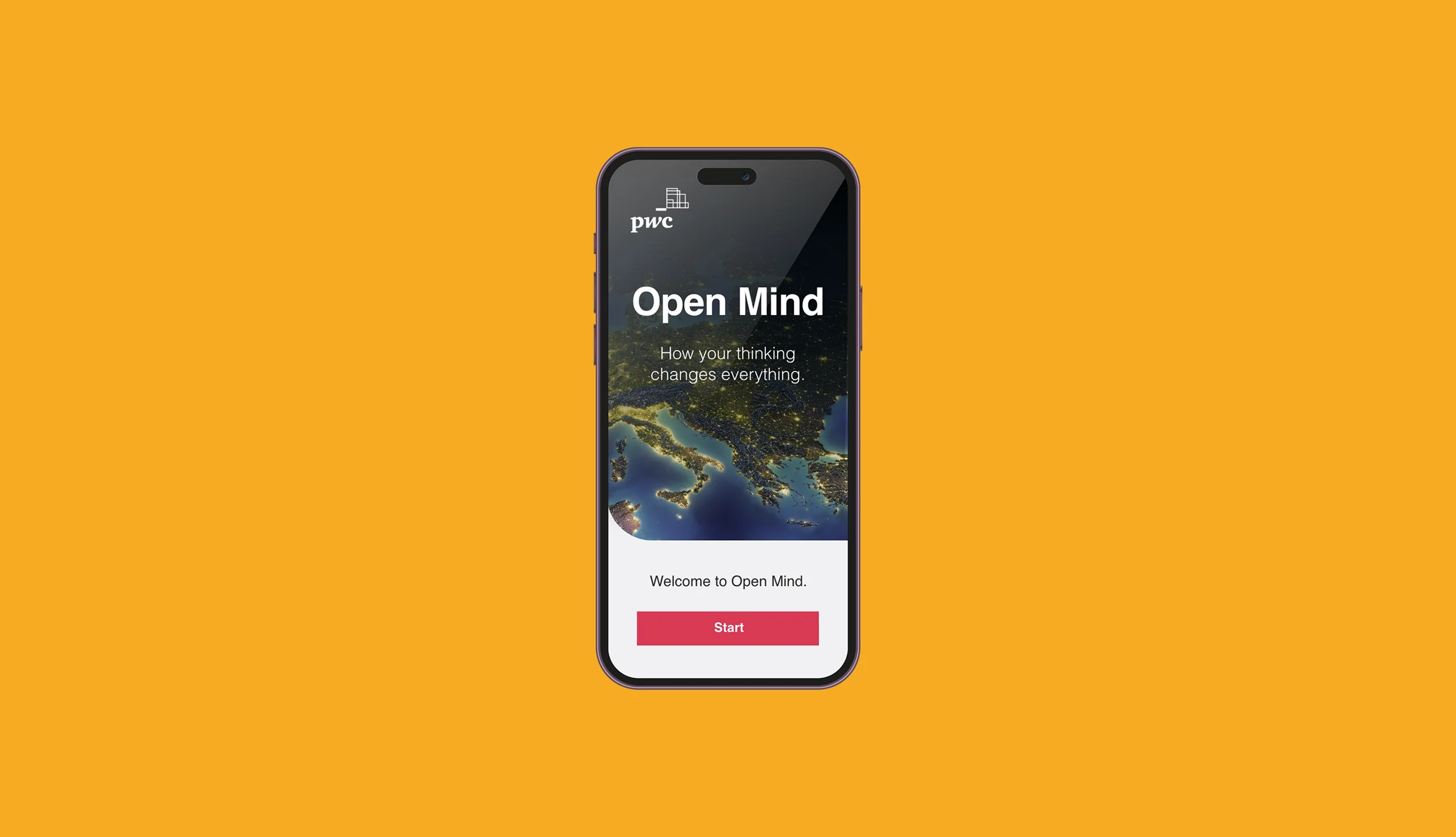
The Open Mind platform combined behavioural learning principles with a bespoke app experience, enabling individuals and groups to participate in structured challenges, activities, and discussions designed to encourage reflection, awareness, and positive behavioural change.
The project focused on creating an accessible and engaging digital experience that transformed complex and often sensitive subject matter into a practical, action-led learning journey.
-
Head of Design / Creative Direction
Led creative direction and digital product design across the platform
Directed UX, UI, interaction, and visual design teams
Collaborated closely with stakeholders to align learning objectives, brand, and user experience
Contributed hands-on concept development, prototyping, and experience strategy
Helped shape scalable interaction and engagement systems across the app
-
The Open Mind platform required balancing educational credibility with engagement and accessibility.
Key challenges included:
Designing an experience around sensitive behavioural and bias-related subject matter
Encouraging sustained engagement through interactive learning and challenges
Creating intuitive journeys for both individual and group participation
Translating complex behavioural concepts into approachable digital experiences
Integrating social features without compromising usability or clarity
Building a scalable platform capable of supporting evolving learning content and activities
The goal was to create a product that felt constructive, engaging, and human centred while supporting meaningful reflection and behavioural change.
-
The project was approached as a combined behavioural learning and product experience system bringing together interaction design, engagement mechanics, and scalable digital frameworks.
1. Structuring the Learning Experience
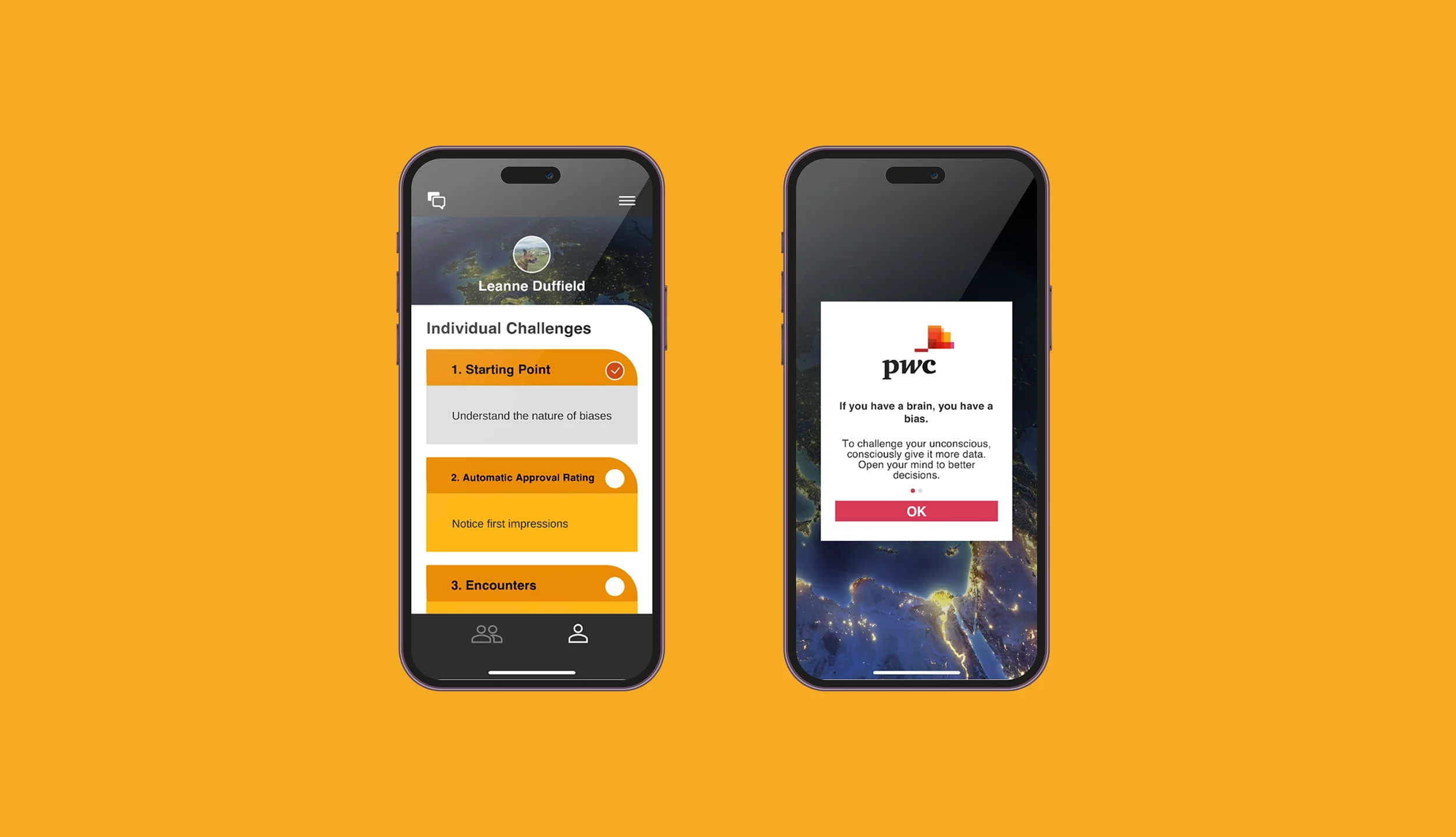
Designed guided learning journeys across activities and challenges
Created intuitive pathways for both individual and collaborative participation
Simplified complex learning content into clear and actionable interactions
2. Encouraging Engagement and Participation
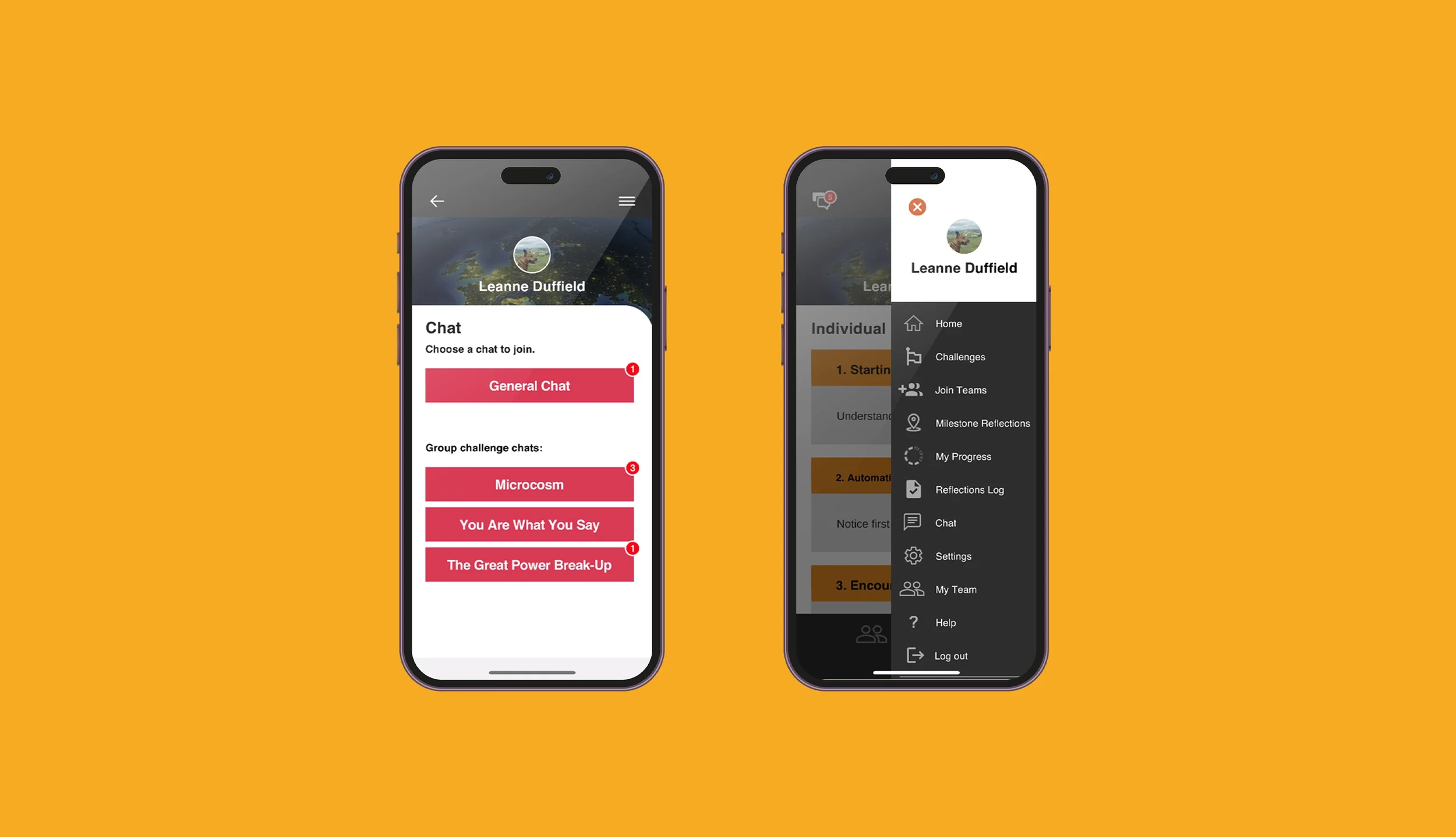
Integrated social and group-based features to encourage interaction and discussion
Used progress indicators, challenges, and activity systems to maintain momentum
Designed feedback mechanisms to support reflection and continued engagement
3. Translating Behavioural Learning into Product Design
Created accessible interfaces for potentially sensitive subject matter
Balanced clarity, empathy, and usability throughout the experience
Ensured interactions felt supportive rather than instructional or overly corporate
4. Designing for Scale and Flexibility
Built reusable UI patterns and modular interaction systems
Created a framework capable of supporting future learning activities and content expansion
Ensured consistency across onboarding, activities, challenges, and social features
-
The platform translated PwC’s professional and insight-led identity into a more human-centred digital learning experience:
Visual Language: Clean, approachable, and engagement focused
Typography & Layout: Structured for clarity and accessibility across long-form interaction
Interaction Design: Encouraged participation, reflection, and progression
Consistency: Unified across learning activities, challenges, and social experiences
The result was a cohesive system that balanced professional credibility with accessibility and engagement.
-
From a product perspective, Open Mind was designed as an interactive behavioural learning platform supporting:
Structured action-learning experiences
Individual and group-based challenges
Social interaction and collaborative participation
Ongoing engagement through guided activities and progress systems
Scalable delivery across multiple audiences and future content extensions
The result is a product that functions as both:
a behavioural learning and engagement platform
and a brand-led digital experience system
-
Outcomes
Delivered a bespoke digital platform supporting behavioural learning and awareness
Created engaging and accessible experiences around complex subject matter
Enabled both individual and collaborative participation through social features and challenges
Balanced educational credibility with a modern and approachable user experience
Built scalable foundations for future growth and content expansion
Key Takeaways
Behavioural learning experiences require clarity, empathy, and engagement in equal measure
Interaction design can play a significant role in encouraging participation and reflection
Complex educational content becomes more effective when translated into actionable digital experiences
Social and collaborative mechanics can strengthen engagement and long-term participation